Villan ExoAssist V1: Human-Controlled Exoskeleton Systems for Work, Rescue, Firefighting, Security, and Human Care

Villan ExoAssist V1: Human-Controlled Exoskeleton Systems for Work, Rescue, Firefighting, Security, and Human Care
By Ronen Kolton Yehuda (MKR: Messiah King RKY)
Introduction: The Human Body as the First Platform
Every major technology begins with a simple human need.
In many fields, the human body is still the first and most important platform. A construction worker depends on strength and balance. A rescuer depends on endurance and courage. A firefighter depends on protection and movement under heat and smoke. A medic depends on the ability to carry and stabilize injured people. A security officer depends on long hours of alertness and physical readiness. A patient in rehabilitation depends on controlled support to regain movement.
The problem is that the human body has limits.
Fatigue, injury, heat, heavy loads, dangerous terrain, repetitive work, and emergency pressure can reduce performance and increase risk. Many important jobs are physically demanding, and many people suffer injuries because the body is forced to carry more than it safely should.
This is where the concept of Villan ExoAssist V1 begins.
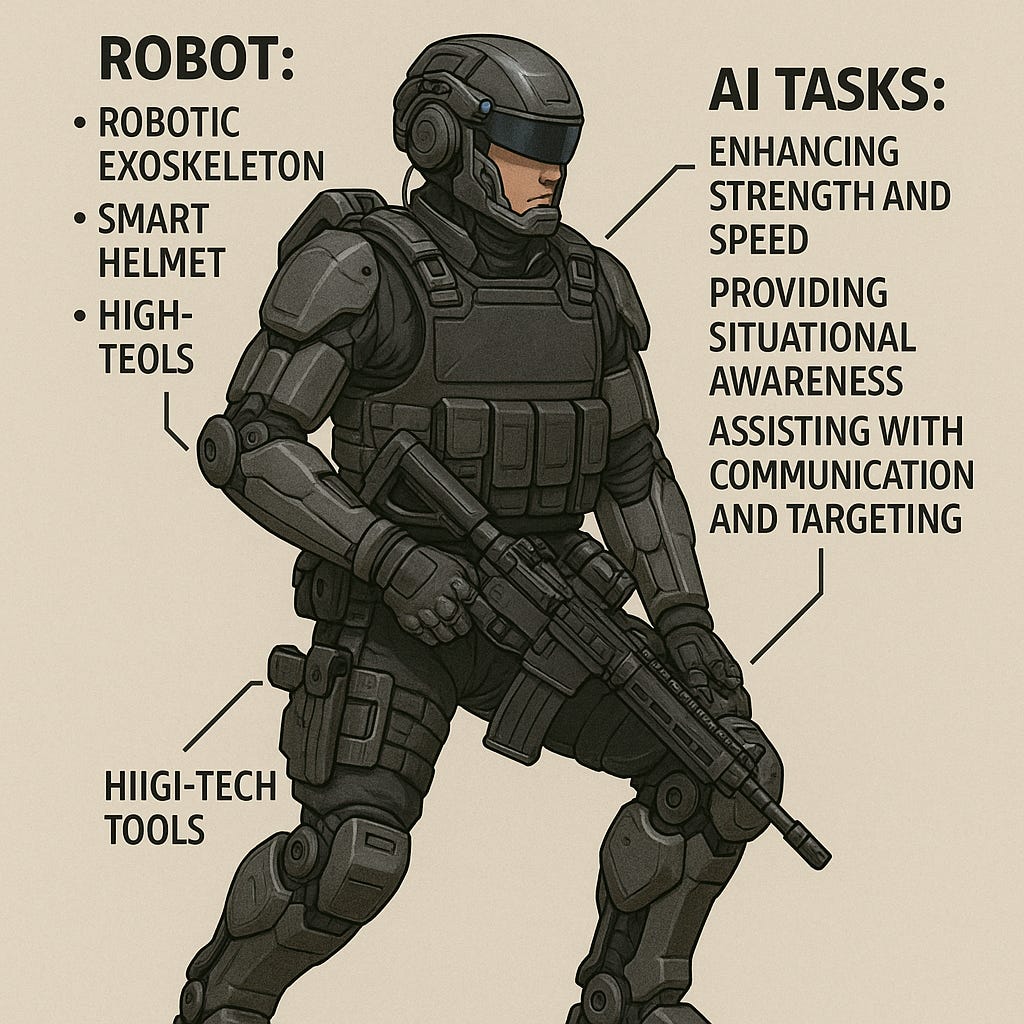
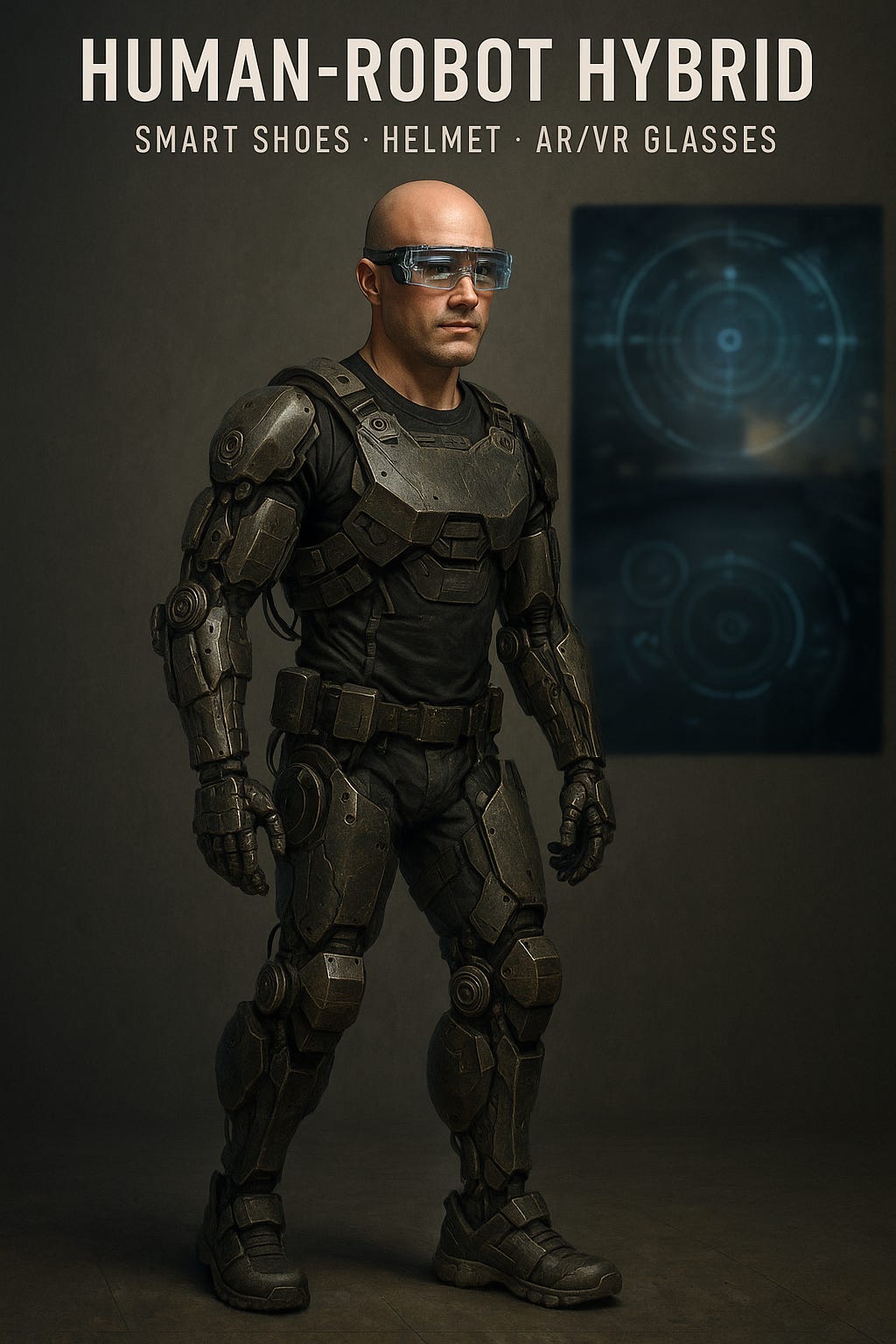
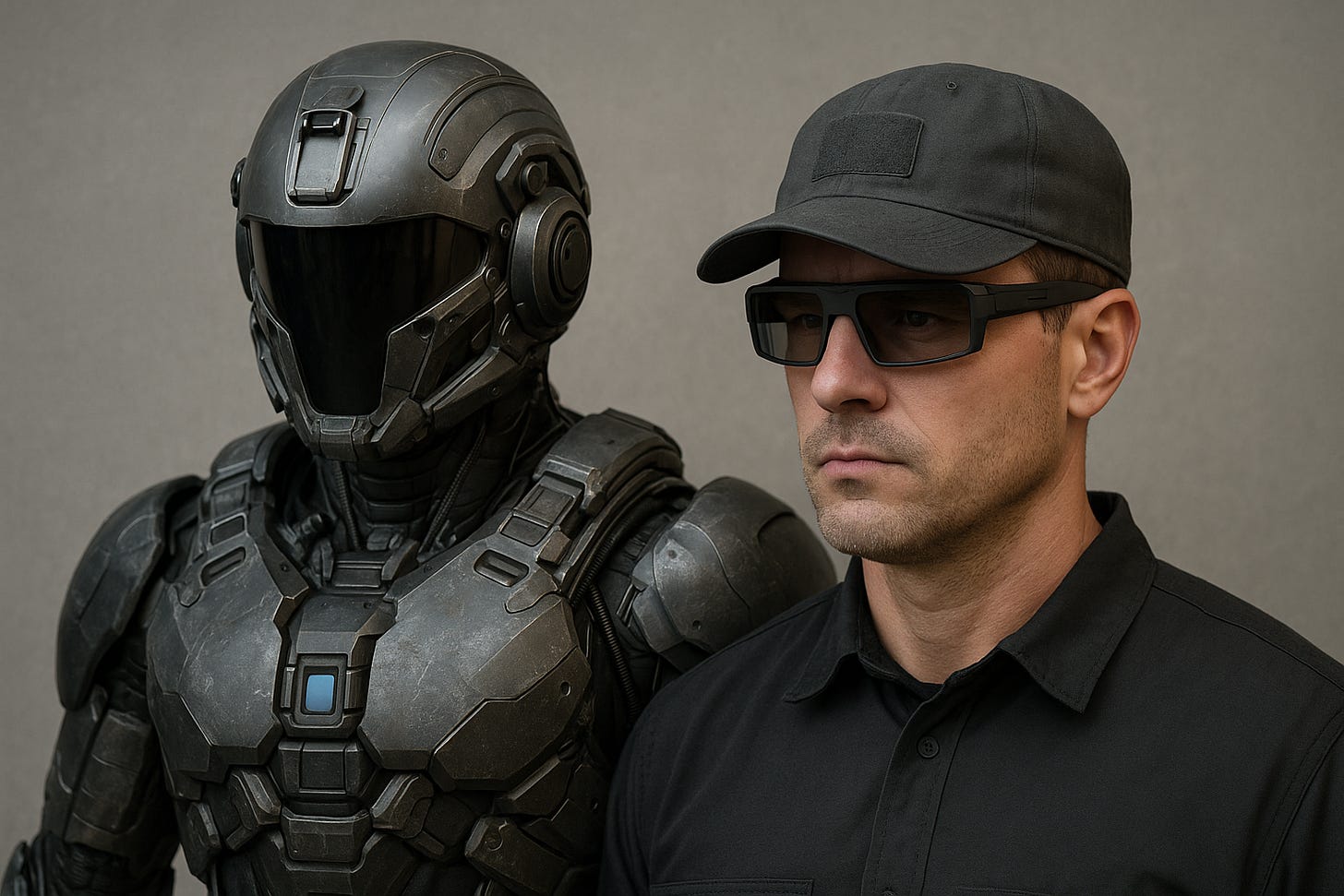
Villan ExoAssist V1 is a proposed human-controlled exoskeleton platform designed to support the body in difficult physical tasks. It is not a fantasy robot suit. It is not a replacement for workers, rescuers, firefighters, medics, security personnel, or soldiers. It is a practical development direction for wearable strength, balance, protection, endurance, and operational awareness.
The idea builds from the wider Villan and SP&S model family, which already connects work, security, rescue, firefighting, medical evacuation, robotics, smart helmets, SmartSoles, V1 OS, secure vehicles, drones, and command systems into one operational ecosystem .
But in this article, the center is clear:
the exoskeleton.

1. What Is Villan ExoAssist V1?
Villan ExoAssist V1 is a modular exoskeleton system designed to help humans perform physically demanding tasks more safely and effectively.
It can support the body through:
The system can be developed in several levels.
It does not need to begin as a full-body powered suit. A realistic first version can begin as a back-support or lower-body support system for workers, then gradually develop into more advanced industrial, rescue, firefighting, medical, and security versions.
Villan ExoAssist V1 can include:
The platform can be passive, semi-powered, or powered depending on the version.
The long-term vision is a family of exoskeleton models, not one single suit.

2. The Main Principle: Human in Control
The most important principle of Villan ExoAssist V1 is simple:
This is the foundation of the whole concept.
The exoskeleton should move with the person, not against the person. It should assist the operator’s intention, not replace it. It should support movement, not force movement. It should increase safety, not create new danger.
AI can help the system understand posture, fatigue, movement, load, balance, battery use, heat, environmental risks, and emergency conditions. But AI should not replace the judgment of the trained human operator.
The correct relationship is:
This makes the system suitable for professional environments where responsibility matters: work sites, rescue zones, fire scenes, medical settings, security operations, and future regulated defense applications.
3. Why Exoskeletons Matter
Exoskeletons matter because many real jobs are physically punishing.
In all these cases, strength is only one part of the problem.
The bigger problem includes fatigue, posture, injury, balance, heat, limited visibility, stress, and time pressure.
Villan ExoAssist V1 can help address these problems by combining physical support with digital awareness. It can reduce strain on the back, knees, hips, shoulders, and arms. It can help the user carry equipment more safely. It can warn about dangerous movement. It can connect to smart helmets, SmartSoles, smart gloves, command screens, and V1 OS.
The goal is not to make the human look stronger.
The goal is to make the human safer.

4. Core Architecture
Villan ExoAssist V1 can be developed as a modular system.
A modular system is important because different users need different support.
The core architecture can include several layers.
4.1 Structural Frame
The frame is the physical skeleton of the exoskeleton.
It may include:
The frame should be strong, but not too heavy. Materials may include aluminum alloys, carbon-fiber composites, reinforced polymers, and titanium joints for advanced versions.
The goal is to transfer load away from vulnerable parts of the body and distribute it more safely through the structure.
4.2 Actuation Layer
The actuation layer provides movement assistance.
Possible options include:
The first product does not need to use the most expensive system. For early development, a semi-powered or passive support version may be more realistic.
4.3 Sensor Layer
The exoskeleton should understand what is happening to the user and the environment.
Sensors may include:
The sensor layer helps the system detect movement intention, unsafe posture, fatigue signs, balance problems, and abnormal load.

4.4 Control Layer
The control layer manages how the exoskeleton responds.
It should include:
This control layer must be predictable. If the user bends, lifts, climbs, or stops, the exoskeleton should respond naturally and safely.
4.5 Power Layer
The power layer can include:
Power failure must never trap the user. If the battery is low, the system should warn early and allow safe disengagement.
4.6 V1 OS Connection
V1 OS can serve as the monitoring and interface layer.
It can show:
This connects the exoskeleton to the broader Villan ecosystem.

5. Human-Controlled Movement
The key technical challenge is natural movement.
An exoskeleton must not feel like a machine fighting the body. It must feel like support.
The exoskeleton should detect intention through motion sensors, pressure sensors, and body-position analysis.
The movement should be smooth, limited, and safe.
This is especially important for rescue and firefighting. A rescuer may stand on unstable rubble. A firefighter may operate in smoke and heat. A worker may be near heavy equipment. In these environments, unexpected movement can be dangerous.
Therefore, the system should follow one simple rule:
Assist the intention. Do not replace the intention.
6. Safety by Design
Safety must be the foundation of ExoAssist V1.
A machine that increases strength can also increase risk if it is not controlled properly. Therefore, Villan ExoAssist V1 should be designed with strict safety limits from the beginning.
Important safety features may include:
The user must always be able to exit or disable the system.
The platform should be designed around this rule:

7. Villan ExoAssist Work V1
Industrial and Worker Support Version
The first realistic commercial product can be Villan ExoAssist Work V1.
This version is designed for workers in:
Its purpose is to reduce physical strain and workplace injuries.
Features may include:
This version should be lighter and more affordable than rescue or security versions.
It can begin as a passive or semi-powered exoskeleton focused on back support and lifting assistance.
A worker using ExoAssist Work V1 may receive posture warnings, safer lifting support, fatigue monitoring, and worksite alerts through V1 OS.
This is one of the best starting points for development because it has a clear civilian market and avoids the complexity of regulated defense products.
8. Villan ExoAssist Rescue V1
Disaster and Emergency Rescue Version
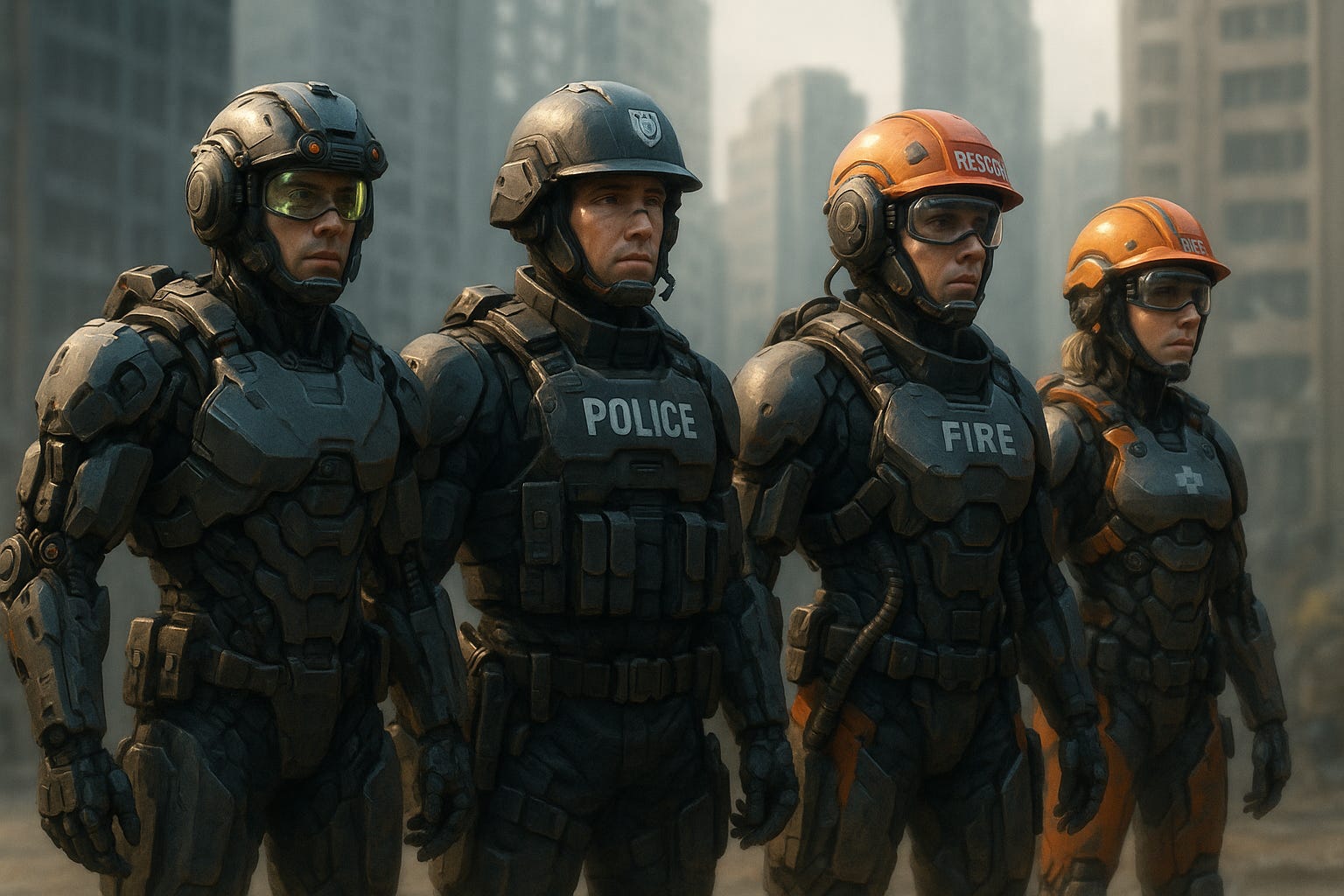
Villan ExoAssist Rescue V1 is designed for rescue teams operating in dangerous environments.
It can support:
Features may include:
In a collapsed building, rescuers may need to carry heavy tools, climb through unstable spaces, and work for many hours. ExoAssist Rescue V1 can reduce fatigue and help them operate more safely.
It can also connect with Villan RoboRescue V1, drones, command vehicles, and medical evacuation systems.
The purpose is not to replace the rescuer.
The purpose is to help the rescuer reach people faster and survive the mission.
.png)
9. Villan ExoAssist Fire V1
Firefighting Support Version
Firefighting requires special design.
A firefighting exoskeleton must handle heat, smoke, water, impact, stairs, heavy hoses, tools, oxygen systems, and emergency escape.
Villan ExoAssist Fire V1 can be developed as a firefighter-support system, possibly connected to Villan FireShield V1, which already focuses on thermal helmets, oxygen awareness, smoke visibility, fire-path alerts, and firefighter protection .
Possible features include:
The first firefighting version should probably not be a bulky full-body powered suit.
A more realistic early version may include:
The reason is safety. Firefighters must move fast. They must enter narrow spaces. They must be able to escape. The exoskeleton must not become an obstacle.
The principle is:
support the firefighter, never trap the firefighter.

10. SP&S ExoGuard V1
Security and Protection Version
The SP&S version can be called SP&S ExoGuard V1.
This version can support professional security and protection work in lawful environments.
It may serve:
Features may include:
For public-facing security use, the identity should be protection and endurance — not intimidation.
The article should not present this as a weapon system. It should present it as a human-support and safety platform.
Any tactical or defense-specific version must be treated as a regulated variant requiring legal review, professional engineering, government approval, and licensed partners.
SP&S ExoGuard V1 should follow one principle:
professional protection with legal responsibility.

11. Villan ExoCare V1
Medical and Rehabilitation Version
A softer and more humanitarian version of the technology can be called Villan ExoCare V1.
This version would be designed for:
ExoCare V1 should be very different from the industrial or rescue versions.
It should be:
Possible features include:
This version gives the exoskeleton platform an important human-care dimension.
It shows that Villan ExoAssist is not only for heavy work or emergency response. It can also help people regain mobility, independence, and dignity.

12. Integration With the Villan Body Ecosystem
The exoskeleton should not stand alone.
It should become part of a full smart body ecosystem.
The system can connect with:
Each device has a role.
Together, these devices create the Villan idea:
the human body becomes a protected, connected, assisted platform — without losing human control.
This connects the exoskeleton article to the broader Villan & SP&S model family, where vehicles, wearables, drones, rescue robots, helmets, SmartSoles, command systems, and V1 OS work together as a connected operational environment .

13. V1 OS as the Exoskeleton Brain Interface
V1 OS can serve as the interface layer for the exoskeleton.
It does not need to control every movement directly in the first version. A realistic first version can begin by monitoring, displaying, and coordinating information.
V1 OS may show:
Different users can have different interfaces.
This role-based approach is important.
The exoskeleton should not overload the user with unnecessary information. It should provide only what is needed for the task.

14. AI-Assisted Awareness
AI can support the exoskeleton in many ways.
Possible AI functions include:
AI should be used as a safety and awareness layer, not as uncontrolled autonomy.
The principle should be:

15. Development Roadmap
Villan should not begin with the most complex exoskeleton.
A realistic development roadmap can move in stages.
Phase 1: Passive Back-Support System
The first product can be a passive or semi-passive back-support exoskeleton for workers.
This can be used in warehouses, logistics, construction, and maintenance.
It is simpler, cheaper, and easier to test.
Phase 2: Semi-Powered Lower-Body Assist
The next stage can include powered or semi-powered assistance for legs, knees, hips, and walking endurance.
This can help workers, rescuers, and security personnel.
Phase 3: Arm-Assist Modules
The third stage can support arms and shoulders.
This can help with tools, hoses, rescue equipment, medical lifting, and industrial tasks.
Phase 4: Full-Body Professional Exoskeleton
After testing smaller systems, Villan can develop a professional full-body version for advanced industrial, rescue, and firefighting applications.
Phase 5: ExoCare Medical Version
A medically supervised version can be developed for rehabilitation, elderly care, and mobility support.
This will require medical review, clinical safety testing, and professional partnerships.
Phase 6: SP&S Regulated Variants
Only after engineering maturity, safety testing, and legal review, SP&S may develop regulated security or defense versions with approved partners and customers.
This roadmap keeps the concept ambitious but realistic.
It starts with achievable products and grows gradually.
16. Business Direction
Villan ExoAssist V1 can serve multiple markets.
Potential customers include:
Possible business models include:
The best first market may be industrial safety.
Why?
Because industrial exoskeletons can be developed without immediately entering the most sensitive security or defense fields. They solve a real problem: worker injury and fatigue. They can create early demonstrations, partnerships, and credibility.
After that, Villan can move gradually toward rescue, firefighting, medical, and SP&S versions.

17. Legal, Safety, and Ethical Statement
All Villan ExoAssist, Villan ExoCare, and SP&S ExoGuard models described in this article are concept-stage proposals.
Any real development must include professional engineering review, safety testing, medical review where relevant, industrial certification, cybersecurity evaluation, privacy review, and compliance with the laws of the operating country.
Any system used for firefighting, rescue, medical care, security, police, border, military, or defense-related purposes must be developed only through lawful channels and with proper authorities, certified professionals, and approved partners.
Any regulated security or defense version must be handled only by licensed partners and government-approved customers.
The purpose of the exoskeleton platform is protection, safety, work support, rescue assistance, medical care, and human-controlled operation.
It is not intended for uncontrolled force or autonomous harm.
The human must remain in control.

Conclusion: Strength With Responsibility
Villan ExoAssist V1 represents a serious direction for the future of human-support technology.
The purpose of the exoskeleton is not to turn people into machines, and not to replace workers, rescuers, firefighters, medical teams, or security personnel. Its purpose is to help the human body perform difficult work more safely, with less fatigue, better protection, and stronger connection to the surrounding operational environment.
The strongest value of ExoAssist is not force.
It is controlled assistance.
Around the exoskeleton, Villan can build a wider smart ecosystem: V1 OS, SmartHelmet, SmartSoles, smart glasses, drones, rescue robots, secure vehicles, command systems, and SP&S protection platforms.
But the center remains the same:
the human.
Villan ExoAssist V1 should therefore be developed as a human-controlled, safety-first, modular exoskeleton platform — built not for uncontrolled strength, but for responsible power, protection, rescue, work, and human care.


1 Holdings & Investments – How I Am Starting to Build a Multi-Industry Company
1: Holdings & Investments — Ronen Kolton Yehuda
1 Holdings & Investments: A Sovereign Framework for Multi-Industry Global Development
Villan — The V That Challenges Giants
Fast Food Inc. — Ronen Kolton Yehuda
SmartSole/ Smart Unit for Soles/Shoes OS V1 of Villan
Flight-Ready Intelligence: Smart Glasses, Helmets, and Shoes in Advanced Aviation Suits
Smart AI-Powered Fan with Camera Tracking and Voice Interaction (Wheels version too)
The Smart Hat: A Wearable Computing Hub for the Future
Flying Kick Scooters & Skateboards Powered by Propellers — The Future of Urban Mobility
Hover Mobility: The Future of Scooters and Skateboards — Regular and Hybrid Designs
Elevatus House: The Flying Safe Haven of the Future
SkyHouse: The Flying Smart House That Escapes the Inventions of the Future
Flying Hotels, Flying Malls, and Flying Houses: Hybrid-Energy Airborne Infrastructure by Villan
The Flying Facility & Surface Unit: Self-Sustaining Airborne Infrastructure
Air/ Flying Bases & Stations, surfaces: The Future of Airborne Infrastructure
Villan Hybrid Digital Tournaments and Olympic Games
The Use of Digital Avatars for Experimenting on Human Biology and Living Nature
A Digital Board Game Platform — Ronen Kolton Yehuda
V1 OS by Villan — Ronen Kolton Yehuda
Tiny Mobile PC & Tiny Resilient Mobile PC
Tiny Resilient Mobile PC — Ronen Kolton Yehuda
FoldBook — The Foldable Future of Computing
External Virtual Keyboard for Desktops
SmartHealth System by Villan — Ronen Kolton Yehuda
The Smart Diaper — Ronen Kolton Yehuda
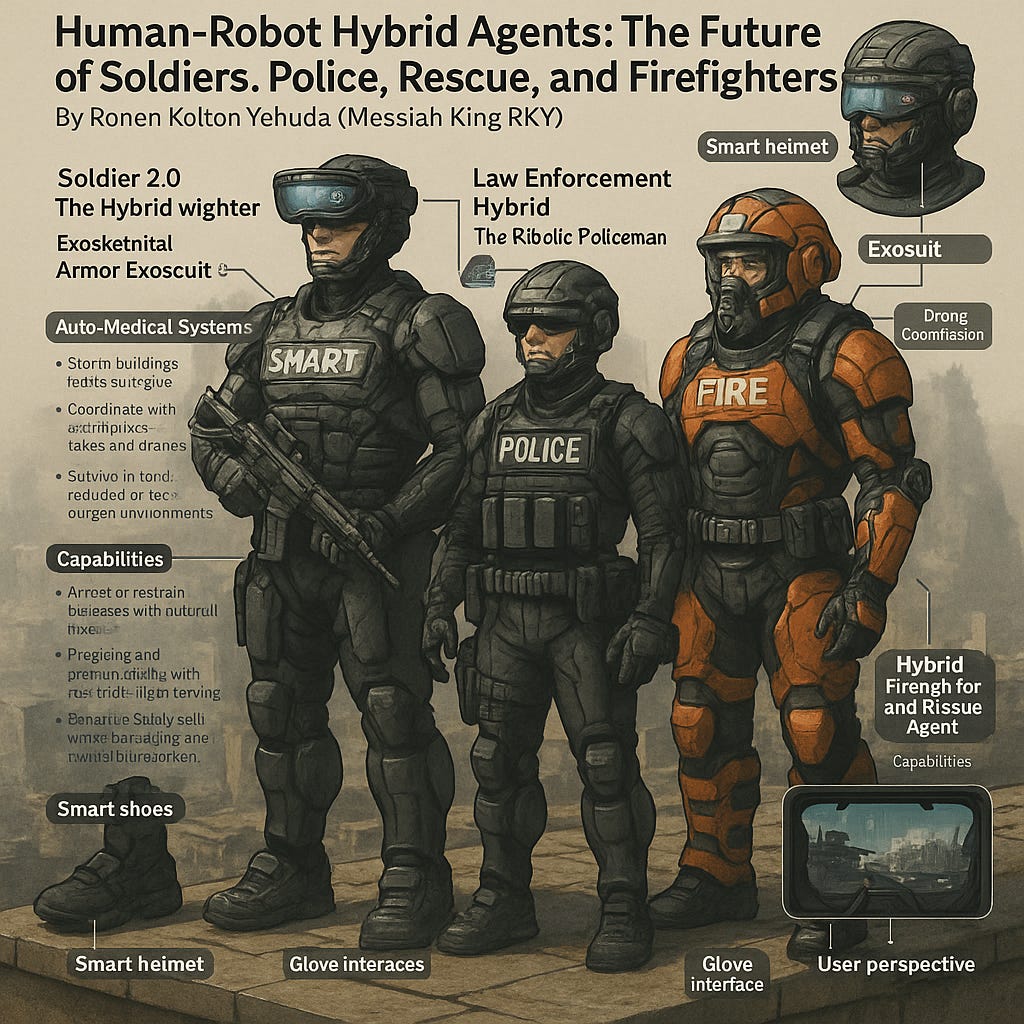
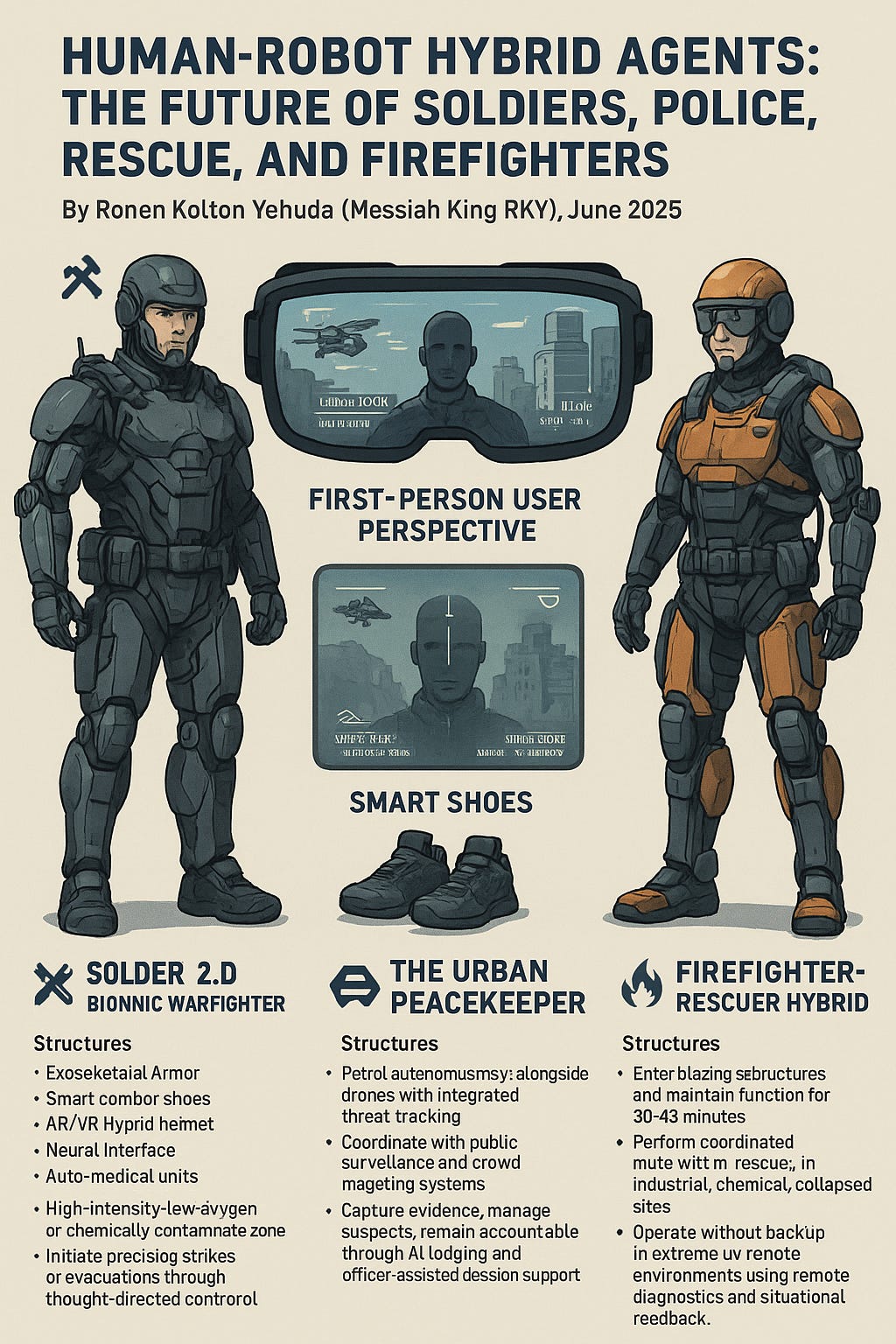
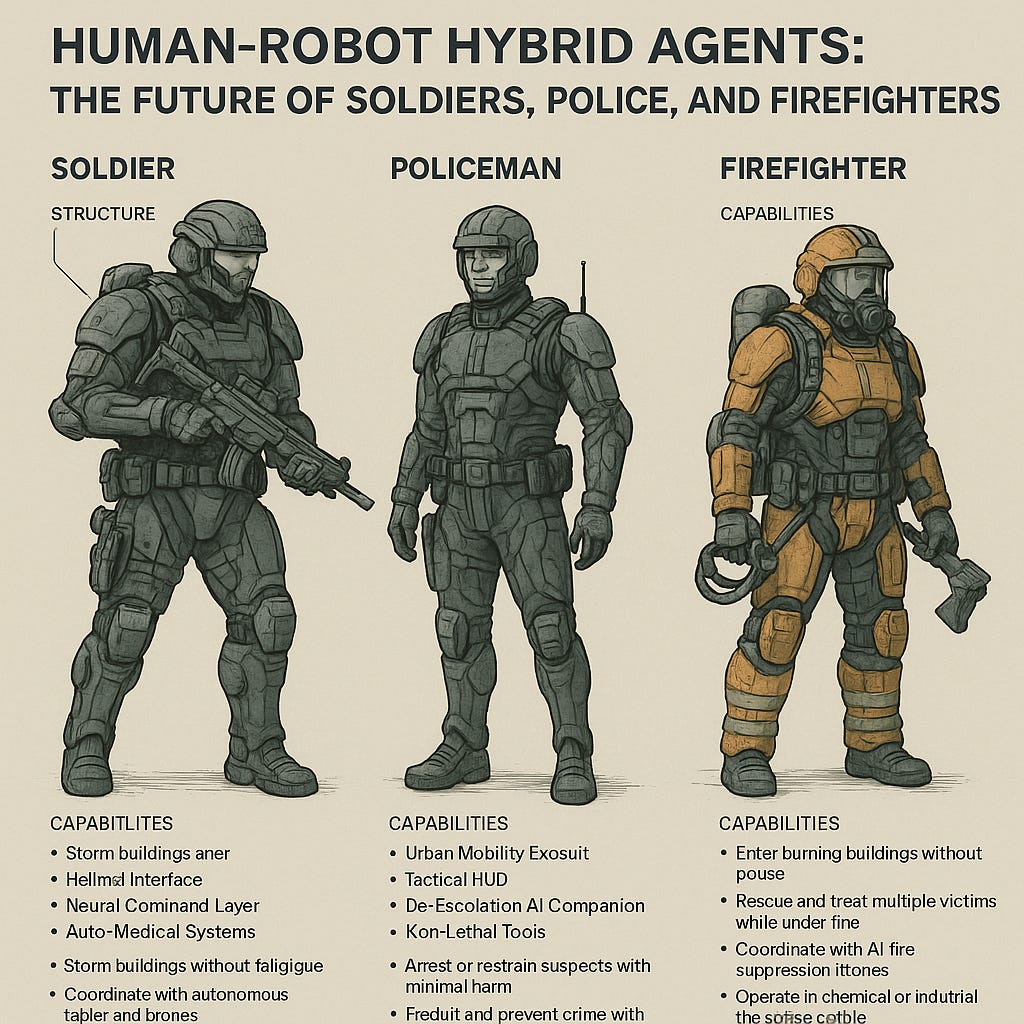
Hybrid Human-Robot Agent Systems: Exoskeletal Technologies for Security, Rescue, and Human Care
Villan Smart Irrigation System — Ronen Kolton Yehuda
The Smart-Screen: The Future of Wearable Technology
Smart Ankle & Smart Insole: A New Era in Footwear Technology
Modular Smart Sole Unit — Ronen Kolton Yehuda
Free-Moving Submarine Mobility System: Public, Private, and Cargo Transportation
Free-Moving Submarine Train for Passengers and Cargo
Free-Moving Submarine Cable Cars — Ronen Kolton Yehuda
Hybrid Security Patrol Vehicle: Drive, Dive, Fly, Defend
Hybrid Patrol System (HPS) for All Vehicle Types
The Flying & Diving Trains of Peace, Hope, and Prosperity
Flying Bus — Ronen Kolton Yehuda
Flying train, flying cargo train, flying floating train
Flying Cable-car Service Cabins — Ronen Kolton Yehuda
Smart Map — Ronen Kolton Yehuda
The Hybrid AR/VR Glasses with LCD Eye Display
Villan SmartSole OS V1 — Ronen Kolton Yehuda
Autonomous Selling Service Carts: A New Frontier in Mobile Retail and Hospitality
AI for Justice — Ronen Kolton Yehuda
The Good/Naive AI — Ronen Kolton Yehuda
A Modular System for Easy Screen and Keyboard Replacements for Laptops
The Laptop with SIM Card for Internet and Calls
AI Robotic Studio for Video Creating & Broadcasting
AI-Powered Medical Screening: The Future of Health Security and Preventive Diagnostics
Artificial Intelligence for War, Operations, and Tactical Combat Management
The Retailer Digital Trade Platform
Fast Fashion Channel (FF Channel / FFTV)
AI-Powered Pollination Robots: The Future of Smart Agriculture
Hybrid Robots: The Fusion of Manual Expertise and Autonomous Intelligence
Soft Olive Oil: A New Kind of Olive Oil from Preserved Table Olives
Threaded Modular Water Heater - Ronen Kolton Yehuda
Fully AI-Automated Plant Agriculture System — Vertical Plant Growth on Multiple Levels
Meet Your New Social Media Manager: AI
Autonomous Stair-Climbing Lift: A New Era in Vertical Mobility
Full-Cover Soil Shading: A Smart Way to Beat the Heat and Stop Weeds🌾 Full-Cover Soil Shading Using Real Grass Cover
Targeted Soil Shading: Scalable Ground Shade Solutions Around Tree Trunks and Plant StemsAI for Patents
The Brain as the Key to Biological Immortality: Telomere Preservation Through Neural Implants
Office+ by Villan — Ronen Kolton Yehuda
Propeller Flight Frame System — AI-Powered Aerial Transport for Heavy Objects
AI for Scouting: Smart Talent Discovery Engine
The +device by Villan — Ronen Kolton Yehuda
Vegetable & Potato Stackable Chips: A New Take on a Crunchy Classic
M&Ns — Mixed & Noble Bites — Ronen Kolton Yehuda
Cocoa Fruit/ Pod Bites — Mini Chocolate Pods for Everyone 🍫🌈
Color Chocolate Bars — The New Palette of Taste and Imagination 🍫Arbitration by app — Ronen Kolton Yehuda
WaTH App: Revolutionizing Real-Time Communication with Walkie-Talkie Technology
Autonomous and Manual Hybrid Stretcher: Ground or Hover Mobility
Push-to-Treat Irrigation Gun: Dual-Use Innovation for Plant Care and Cleaning
Journalist AI for Today: Transforming News in Real Time
AI for End-to-End Product & Service Development
AI-Enhanced Skewers for Shawarma: A New Era of Intelligent Grilling
AI Digital/RPA Warehouse Supermarket: Revolutionizing Grocery Shopping
Smart Autonomous Carts and Suitcases
Autonomous Industrial Cart — Ronen Kolton Yehuda
Hybrid Autonomous Forklift with Remote Control and Manual Driving Mode
How AI Assistants Are Transforming Sports Management
AI Assistants in Judging Sports: Enhancing Fairness, Precision, and Transparency
NameFinder AI — Ronen Kolton Yehuda
AI on Fabric: Autonomous Design Systems for On-Demand Fashion
The Rise of AI Lie Detection: How Machines Are Learning to Spot the Truth
Accommodation App & Shavasana Rest Services
Autonomous and Manual Hybrid Stretcher: Ground or Hover Mobility
Sprout: A Global Initiative for Biodiversity and Food Security
FireShield Flora: Protective Spray for Wildfire Prevention in Forest Ecosystems
Perfumed Bidet Spray for Post-Toilet Hygiene: A Modern Alternative🤖 Autonomous Weed Removal Robot: Precision Weed Control for Farms and Gardens
Blink ;).. — Ronen Kolton Yehuda🛍️ AR/VR 3D Product Experience System
AR/VR Experience with Smartphones, Tablets, and More
AR/VR Simulators and Trainers: Transforming the Future of Skill Development
AR/VR Hybrid Smart Glasses: A Dual-Purpose Revolution
The Future of Cinema: Immersive VR/AR and Beyond
Solar / Sun Sauna: A Smart, Sustainable Revolution in Heat TherapySmart Shoes: Revolutionizing the Future of Footwear and Technology
The Future of Smart Wearables: A New Era of Connected Technology
The DV Language 📜 — Ronen Kolton Yehuda
DV Language: A Valuable Time-Based Arts Language — Seeking Partners, Institutions, and Investors
The DV Language: A Textual System for Music, Movement, Theater, and Time-Based Arts
DVLC – DV Language Composer (Demo v1)
DVLCO — DV Language Composer Orchestra (Demo v1)
The DV Language Composer Family — Ronen Kolton Yehuda
The DV Language: David’s Violin Language
Preventing Food Waste Through Sustainable Processing of Near-Expired Products
Capturing and Treating River Water Before It’s Wasted to the Sea/ Ocean
Can Electricity Accelerate Plant Growth?
Turning Air into Ice — and Freezing Mountains Too: A Vision for Climate-Resilient Water Systems
Growing Icebergs & Iceberg Freezing Platforms
Restoring Earth: A Global Plan for Climate Healing
Microbial-Enhanced Plant Nutrition: Symbiotic Pathways to Smarter Agriculture
Push-to-Treat Irrigation Gun: A Smart Hose-End Tool for Nutrients, Microbes, and Soil Health
♻️ Clean Steps Composting Tools: Smart Compost Solutions for Homes, Gardens, Balconies & Businesses
The Thought Police: Quantum Justice and the Ethics of Mind Transparency
Social: Social Media — Ronen Kolton Yehuda
The Frozen Pizza Array System for Pizzerias
International Falafel Standards Organization (IFSO)Pita Reinvented: Mixing Flours, Grains, and Legumes for the Next Generation of Bread
Naïve Marketing — Ronen Kolton Yehuda
Beyond Semolina: Reinventing Couscous/ Instant Couscous with Grains and Legumes
Reinventing Rice Paper: Exploring Flour Combinations from Grains and Legumes
Title: Whole-Protein Pasta Blends: From Penne to Ptitim
High-Protein Multigrain Crackers: Crisp, Clean, and Packed with Power
High-Protein Multigrain Stackable Chips/ Crisps: A Smarter Twist on Pringles
High-Protein Multigrain Nacho Snack: A Nutritious Crunch You Can Feel Good About
AI that performs tasks for users directly within the OS
Healing the Planet: Aquifers, Forests, Lakes, and Ice — A Global Climate Restoration Architecture
Villan SmartShoes and SmartSole Architecture: Footwear as the Next Wearable Computing Hub
Villan SmartCar: Building a V1 OS Electric Vehicle Ecosystem
Villan and SP&S Secure Vehicle V1: A Smart Armored Mobility Platform for Security Forces
Authored by: Ronen Kolton Yehuda (MKR: Messiah King RKY)
Check out my blogs:
Substack: ronenkoltonyehuda.substack.com
Blogger: ronenkoltonyehuda.blogspot.com
Medium: medium.com/@ronenkoltonyehuda







Authored by: Ronen Kolton Yehuda (MKR: Messiah King RKY)
Check out my blogs:
Substack: ronenkoltonyehuda.substack.com
Blogger: ronenkoltonyehuda.blogspot.com
Medium: medium.com/@ronenkoltonyehuda


Comments
Post a Comment